
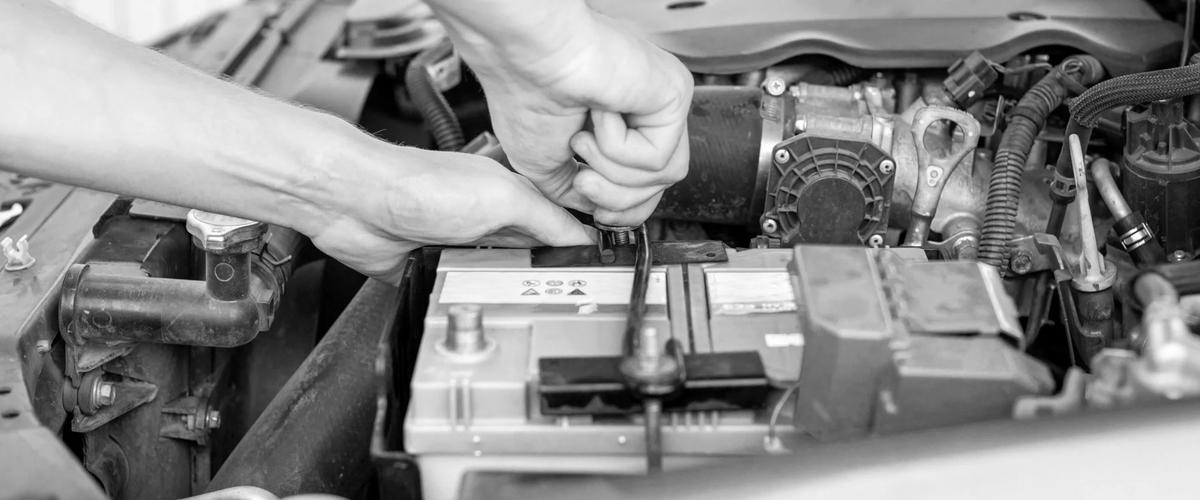
12V Car Battery Explained – The Complete Guide for Drivers
 By Ray Barnes
 After over 10 years working in roadside recovery I’ve learned that most drivers never think about their car battery until the car refuses to start.
I’ve attended hundreds of callouts where someone turns the key on a cold morning and hears nothing but a slow crank or a clicking sound. In this guide I’ll explain the **12V car battery explained** in simple terms — how it works, when a battery is considered flat, the different types used in modern cars, and the warning signs I see every week when a battery is about to fail.
What a 12V Car Battery Actually Does
Most drivers think the battery only starts the engine, but it actually supports the entire electrical system of the vehicle.
Your 12-volt car battery stores electrical energy that the car uses whenever power is needed. The biggest job it performs is delivering a large burst of electricity to the starter motor when you start the engine.
That starter motor turns the engine until it fires up.
Once the engine is running, the alternator begins generating electricity and recharging the battery.
But even while driving, the battery still plays an important role. It helps stabilise voltage across the electrical system and powers components when demand briefly exceeds what the alternator is producing.
In everyday driving, the battery supports systems like:
- central locking
- dashboard electronics
- interior lighting
- alarm systems
- infotainment systems
In modern cars with start-stop systems, the battery also handles repeated engine restarts in traffic.
This is why modern vehicles often require stronger battery designs than older cars.
When Is a Car Battery Considered Flat?
One of the most common questions I hear at the roadside is:
“Is my battery dead or just flat?”
A healthy 12V car battery usually sits at around 12.6 volts when fully charged.
Here’s a simple way to understand battery voltage:
- 12.6–12.8 volts – fully charged
- 12.4–12.5 volts – partially charged
- 12.2 volts – low charge
- below 12 volts – often considered flat
When the voltage drops too low, the battery simply doesn’t have enough power to turn the starter motor.
This usually happens for one of three reasons:
• the lights were left on • the car hasn’t been driven for weeks • the battery has reached the end of its life
Sometimes a battery appears flat but actually cannot hold charge anymore. In those cases, even if the car starts after a jump start, the problem returns again shortly afterwards.
That’s usually when replacement becomes the only reliable solution.
The Different Types of Car Batteries
Not all car batteries are the same. Over the years I’ve seen several types depending on the vehicle and electrical demand.
The three most common are standard lead-acid batteries, EFB batteries, and AGM batteries.
Standard Lead-Acid Batteries
These are the traditional car batteries used for decades.
They are usually fitted in older vehicles without large electrical loads or start-stop systems.
They are generally the cheapest type but also the least tolerant of repeated short journeys.
Enhanced Flooded Batteries (EFB)
EFB batteries were developed for cars with basic start-stop systems.
They can handle more frequent engine starts and recharge faster than standard batteries.
Many mid-range cars built in the last decade use EFB batteries as standard.
Absorbent Glass Mat Batteries (AGM)
AGM batteries are designed for vehicles with heavy electrical demand.
They are common in cars with advanced start-stop systems, large infotainment systems, and modern driver-assistance electronics.
They are more expensive but also more durable.
One mistake I see quite often is someone replacing an AGM battery with a cheaper standard battery. This can cause electrical issues because the vehicle’s charging system expects the higher-spec battery.
Signs Your Car Battery Is Failing
Most batteries don’t fail instantly. In many cases they show warning signs before completely dying.
Because I attend these breakdowns regularly, certain patterns are easy to recognise.
Here are the most common warning signs.
Slow Engine Cranking
If the engine sounds sluggish when starting, the battery is losing strength.
Clicking Sound When Starting
A clicking noise usually means there’s enough power for electronics but not enough for the starter motor.
Electrical Problems
Dim headlights, dashboard flickering, or warning messages can indicate low battery voltage.
Frequent Jump Starts
If you’ve needed more than one jump start recently, the battery is usually close to failure.
In most vehicles, car batteries last three to five years depending on driving habits and weather conditions.
<div class=”expert-callout”> <p class=”expert-callout-label”>FROM RAY BARNES</p> <blockquote>One thing I notice every winter is batteries failing after weeks of short journeys. The car starts fine for a while, but the battery never fully recharges. Then the first cold morning arrives and suddenly the engine won’t turn over at all.</blockquote> </div> <div class=”service-cta-inline”> Need Mobile Car Battery Replacement Service in Watford? Call me directly on <a href=”tel:07594218651″ aria-label=”Call Ray on 07594 218651″>07594 218651</a> — I’ll give you a realistic ETA and a fixed price before I attend. </div>
How to Avoid a Flat Car Battery
Many battery problems can be prevented with a few simple habits.
Here are the things I usually recommend to drivers.
Drive the car regularly
Short journeys don’t give the alternator enough time to recharge the battery fully.
Turn off all electronics
Interior lights, dash cameras, and accessories can drain power overnight.
Watch for early warning signs
Slow starting is usually the first indicator that the battery is weakening.
Replace ageing batteries before winter
Cold weather puts extra strain on older batteries, so replacing one before it fails can prevent a breakdown.
These simple steps can extend battery life and reduce the chances of being stranded.
Final Thoughts on 12V Car Batteries
Understanding how a 12V car battery works helps drivers recognise problems before they become a breakdown.
Most batteries will last several years, but once they begin showing warning signs it’s only a matter of time before they fail completely.
After nearly two decades working in roadside recovery, flat batteries remain one of the most common callouts I attend. The good news is that most battery problems are quick to diagnose and fix once the cause is identified.
If your car refuses to start and the battery is the problem, a jump start or replacement battery usually gets you back on the road quickly.